
CUSTOM MUSEUM EXHIBIT DESIGN & FABRICATION
Custom exhibits.
From idea
to installation.
For museum teams, visitor attractions and custom projects. We connect mechanical design, prototyping, controls and fabrication—from your first idea to turnkey delivery.
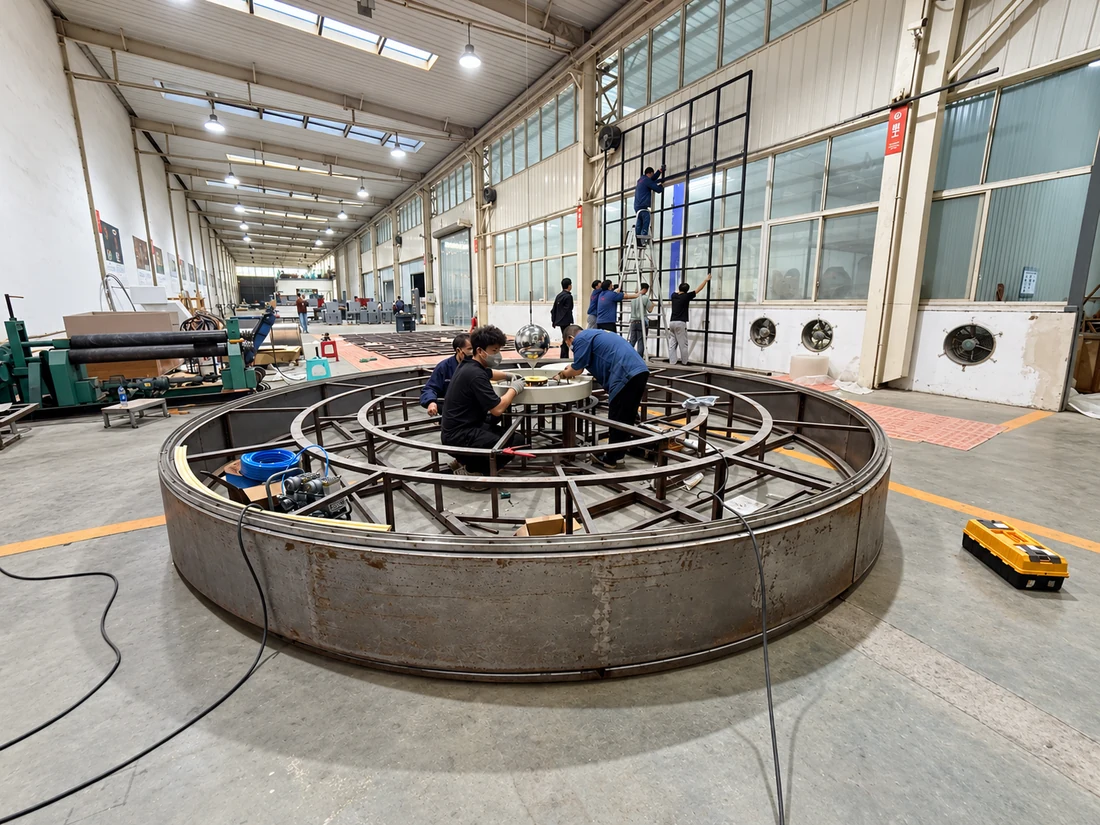
- 01 Define the experience
- 02 Engineer the system
- 03 Manufacture & test
- 04 Install & hand over
THE EXPERIENCE AND THE ENGINEERING
Make the idea
work as a whole.
Start with what visitors should see, feel or do. We work through the physical system that brings that interaction to life.
Explore working examplesStart with what you have.
An early idea, a reference video, a sketch or a developed brief can begin the conversation.
What belongs in a project brief?- 01 Mechanism & movement
- Develop the motion, mechanical structure and intended visitor action around the agreed experience.
- 02 Controls & operation
- Work through how the installation starts, responds and stops, together with the controls and operating sequence.
- 03 Fabrication & assembly
- Coordinate physical form, dimensions, materials and finish with the mechanism, controls and access for maintenance.
- 04 Installation & handover
- Plan how the system fits the site, how operation will be checked and how your team will use and maintain it.
PROTOTYPING, TESTING & SAMPLES
Test the idea.
Before the final build.
We offer prototype development, testing and sample fabrication to help you evaluate key functions before final production.
The type of prototype or sample, the review criteria, cost and schedule are agreed for each project.
Discuss a prototype or sample- 01Agree what needs testing
- Identify the movement, interaction or other key function that needs a practical review before the design moves into final production.
- 02Build, test & review
- Agree the prototype or sample to make, the features it should demonstrate and the feedback needed to develop the design.
- 03Confirm the next step
- Use the review to agree design changes and the final production scope. A prototype or sample covers the agreed test; it is not automatically a complete finished exhibit.
FROM FIRST CONVERSATION TO HANDOVER
A clear route
through the project.
Define the scope and review points together, so the intended interaction stays connected to the practical work.
Factory dispatch lead time: STEM products: 30–90 calendar days; other products: 30–120 calendar days. The period starts after both design approval and receipt of the deposit, and runs to factory dispatch. Transit is arranged separately for the project.
01Define the experience
Talk through the audience, science theme or intended interaction. Review the setting and work towards an agreed exhibit and delivery scope.
Confirm together What visitors should experience, the site conditions and who is responsible for each part of the project.
02Design the mechanism & controls
Develop the mechanical structure, movement and control sequence around the agreed experience. Coordinate the physical form, interfaces and space needed for service.
Confirm together Dimensions, operation, interfaces and the design review points before manufacture. Where a prototype or sample is needed, agree what to test and review before the final build.
03Manufacture, assemble & test
Build and integrate the physical system, mechanism and controls. Review operation against the agreed specification before preparing the exhibit for delivery.
Confirm together The operating sequence, the checks to be carried out and the basis for acceptance.
04Install, commission & hand over
Bring the agreed installation scope together on site, commission operation and guide the team who will use the exhibit.
Confirm together Site readiness, access, installation arrangements, handover information and ongoing support.
THE PRACTICAL WORK BEHIND THE EXPERIENCE
From the workshop
to the installation.
Manufacturing, assembly and on-site integration are part of the route to a working physical exhibit.
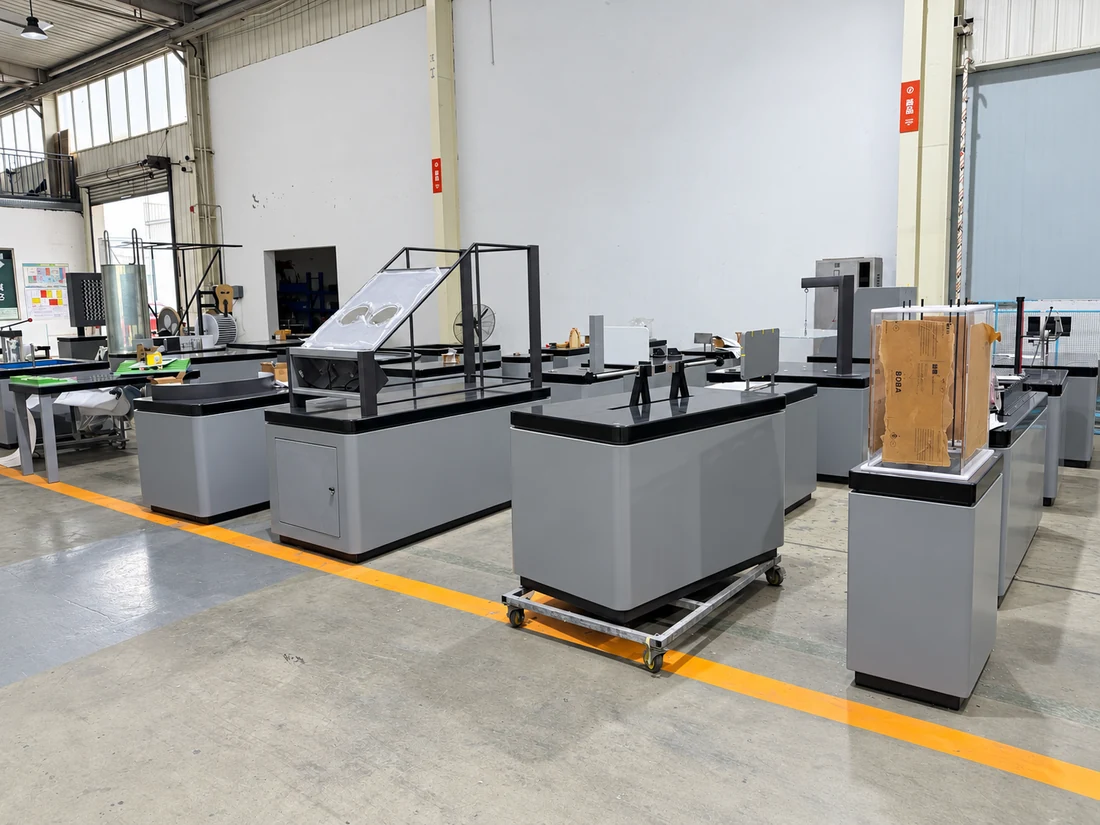
Bring the physical system together.
Coordinate the mechanism, structure and controls around the intended interaction.
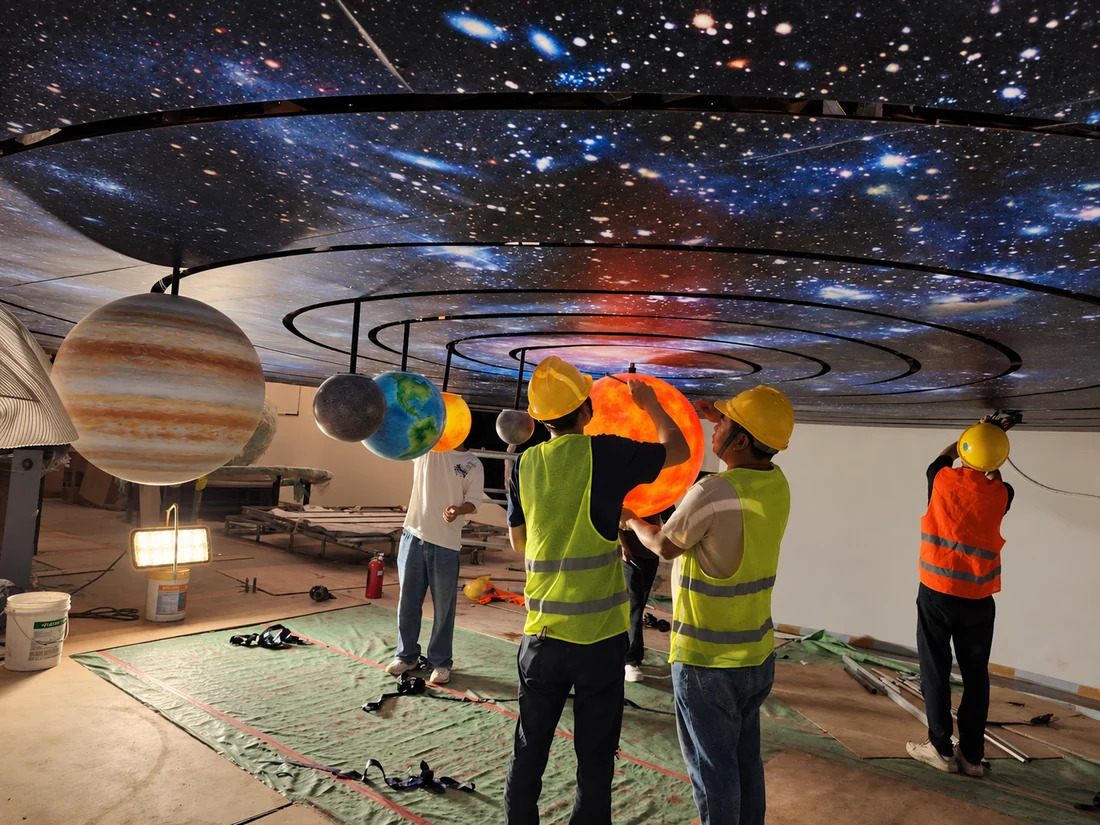
Make it work in its setting.
Bring the agreed components and installation work together in the surrounding gallery.
BEFORE AND AFTER HANDOVER
Plan the project.
Think beyond opening.
Complimentary spare-parts support
With remote technical guidance and long-term after-sales support. Exhibit Engineers pays the shipping cost of complimentary spare parts during the 24-month support period. Parts coverage and service arrangements are agreed in your project terms.
Can we start without a finished design?
Yes. Bring the interaction you have in mind, a reference, a sketch or the information you already have about the site. The first step is to discuss the experience and practical project scope.
What can be customized?
Discuss the intended movement, visitor action, physical form, dimensions and operating sequence. The feasible options are developed around the mechanism, site and agreed scope.
What power range should we plan for?
Standard products: 100–500 W; oversized installations: 1,000–5,000 W. Typical ranges for powered versions. Confirm the selected model and final connected load.
What is the standard surface finish?
Marine anti-corrosion paint with a piano-gloss automotive paint finish. Applied to painted parts. Component materials and any alternative finish are agreed for the selected configuration.
Which materials can be specified?
Common material options include Q235 steel, stainless steel, aluminium alloy, PVC, acrylic, engineering plastics. The combination is selected for each configuration.
How are packing and transport arranged?
Metal shipping cases or multilayer wood-panel shipping cases. Transport arrangements and costs are agreed to suit the project.
Is training included?
Complimentary training is available on site or remotely, according to project needs. If installation or on-site after-sales service is not included in the product price, the customer pays the actual travel expenses incurred, unless the contract provides otherwise.
How is factory acceptance arranged?
Mid-production and pre-dispatch checks are provided. Factory acceptance can take place in person at the factory or through acceptance videos.
Which handover documents are provided?
Installation and operating videos, written installation and operating instructions, drawings and a spare-parts list are provided.
Can I order one custom exhibit?
Single-unit custom orders are welcome.
What are the payment milestones?
A 50% deposit is payable after the contract is signed. The remaining balance is paid after acceptance and before dispatch, so full payment is received before dispatch. Payment methods are agreed in the contract.
Who pays for on-site service travel?
If installation or on-site after-sales service is not included in the product price, the customer pays the actual travel expenses incurred, unless the contract provides otherwise. The whole-exhibit warranty period and repair labour scope and charges are agreed in the contract.
What does complimentary spare-parts support include?
Replacement parts and their courier shipping are provided free of charge under the complimentary spare-parts support policy.
What information helps with a quotation?
Share the intended experience, project location, available space, target dates and any reference material. Design, fabrication, controls, installation and support should be clear enough to compare the same scope.
How is the project schedule defined?
Our delivery lead-time range is STEM products: 30–90 calendar days; other products: 30–120 calendar days. The period starts after both design approval and receipt of the deposit, and runs to factory dispatch. Transit is arranged separately for the project. Coordinate design reviews, manufacturing, testing and site readiness with the target opening date.
How do you support the exhibit after handover?
24 months of complimentary spare-parts support, starting when the exhibit is handed over for use. Covers faults not caused by the user. User-caused or deliberate damage is excluded. We provide remote technical guidance and long-term after-sales support. Exhibit Engineers pays the shipping cost of complimentary spare parts during the 24-month support period. Scheduled maintenance every 30 days. The daily operating schedule is 8 hours per day; follow the product-specific operating sequence and duty cycle. The coverage and service arrangements form part of the agreed project terms.
FROM CONCEPT TO TURNKEY DELIVERY
What would you like visitors to experience?
Share your idea, the project location and the information you have. Let’s work through the interaction, the site and the next steps.